
Wow. OK, so check this out—I’ve been in the weeds with exchanges for years, and even now, somethin’ about how traders treat OKX makes me shake my head. My instinct said this would be another generic walkthrough, but actually, there’s nuance here that most guides miss. Seriously?
Here’s the thing. On one hand, futures on OKX move fast and liquidity’s deep; on the other hand, user flows and web3 integrations can be clunky if you don’t set things up right. Initially I thought “just fund and trade,” but then I realized the interplay between account-level security, futures margining, and web3 wallet linking changes the risk profile in subtle ways. Hmm… that caught me off guard.
Let me be blunt. If you’re a trader who cares about speed and safety, you want a tidy OKX account and a clear way to jump into futures without tripping over basic mistakes. I’ll walk through practical things that actually helped me (and yes, I screw up sometimes too—very very human).
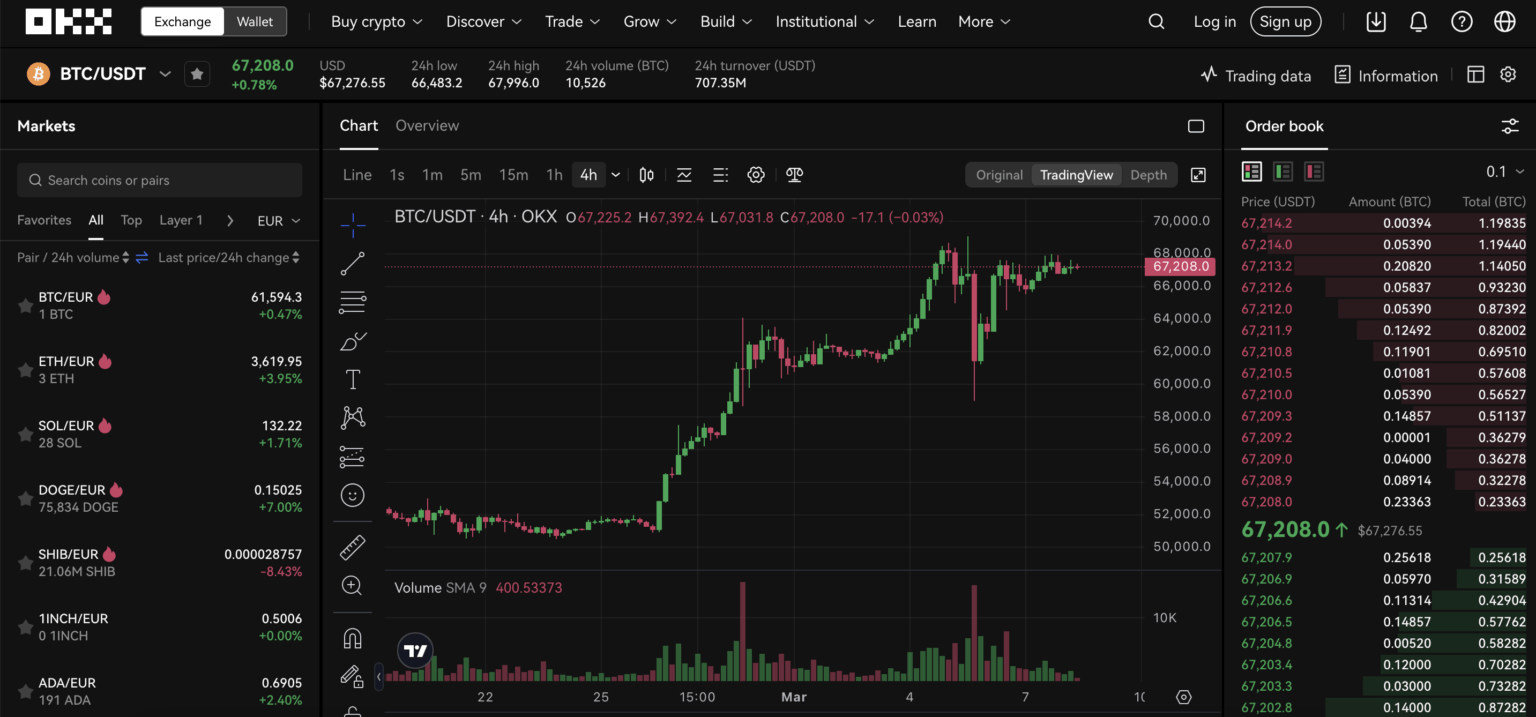
Getting Your OKX Account Right — Quick, Practical Steps
Whoa! First impressions matter: set up two-factor authentication. No discussion. Really. Use a hardware key if you can—it’s a small friction that saves you from big pain later. I’m biased, but I like YubiKeys for this. On the other hand, SMS-only is tempting because it’s fast, though actually, wait—it’s riskier than most folks assume.
Account verification is another point. The verification grind sucks, but once complete you unlock higher futures limits and smoother withdrawals. Something felt off about people skipping KYC processes; they often regret it when they need access to funds fast. Also, add a recovery email that you check regularly—don’t use somerandom throwaway.
And about passwords: use a passphrase manager. Seriously? Yes. My gut said “make it memorable,” but system 2 kicked in and reminded me of past account lockouts. I store credentials securely, rotate keys for APIs often, and prune API permissions—only allow “trade” if you don’t need withdrawal rights.
OKX Futures: What Most Guides Don’t Tell You
Short version: trade with a plan. Long version: understand cross margin vs isolated margin, and know how liquidation works on OKX specifically. There’s a difference in how maintenance margin is computed, and that changes your leverage decisions. On one hand you want max efficiency; though actually, the math bites if you confuse maintenance margin with initial margin.
Here’s a frequent mistake: traders jump into high leverage because the platform offers it. Wow. That works until a cascade of liquidations re-prices your position. I learned that the hard way once—lost a notable chunk before I adjusted my stop rules. My instinct said “ride the momentum,” but then I automated sensible stops. Automation is your friend, but set it up thoughtfully.
Another nuance: funding rates. They swing, and for certain perpetuals you can earn or pay sizeable fees over time. If you’re doing carry trades or hedging, track funding and funding projections. Use OKX’s UI metrics, and cross-check with your own spreadsheet—yes, I’m old school like that, but it helps.
Web3 on OKX — Integration Tips and Real-World Caveats
Okay, so web3 features on OKX are cool. You can link external wallets, bridge assets, and interact with DeFi through on-platform apps. But there’s friction. For example, wallet approvals and contract allowances can be confusing, and if you leave unlimited allowances, you’re inviting risk. I’m not 100% sure some users realize that until it’s too late.
When connecting a wallet, double-check chain settings. Test the connection with a tiny transfer first. On the practical side, use a dedicated Web3 wallet for DeFi interactions and keep your exchange account separate—segregation of duties, basically. (Oh, and by the way… label your wallets in whatever manager you use; it saves headaches later.)
Pro-tip: if you ever need a streamlined login path, use the OKX web interface thoughtfully. For quick access from a new device, the help page I often point people to is useful—here’s a link for reference: okx login. Don’t click recklessly; make sure you’re on a secure network and check the URL. It sounds basic, but you’d be surprised.
Common Problems and Better Approaches
Problem: sloppy API keys. People sometimes give bots full rights and then wonder why a script emptied their account. Solution: limit permissions, rotate keys periodically, and use IP whitelisting where possible. My experience: a simple checklist reduced bot-related incidents for my trading setups by a lot.
Problem: misunderstanding funding and margin calls. Traders assume their stop orders will save them. Reality: under extreme volatility, stops can gap. Plan for that. Use position sizing that tolerates stress, and don’t be proud—take smaller positions early, then scale up if your edge proves real.
Problem: web3 approval fatigue. Too many allowances = exposure. Better: approve minimal amounts and revoke allowances after use. I admit, I’m lazy about revocations sometimes, but the few times I checked saved me stress.
Frequently asked questions
How do I start trading OKX futures safely?
Start with low leverage, enable 2FA, and paper-trade or use small real positions to learn order behavior. Understand margin modes and set realistic stop-losses. Also, review funding rate trends before holding long-term perpetuals.
Can I link my external wallet to my OKX account?
Yes. You can connect a web3 wallet for certain DeFi flows. Test with tiny transfers first, and avoid unlimited approvals. Keep on-exchange funds and on-chain funds separated for safety.
What’s the quickest way to recover account access?
Follow OKX’s recovery and KYC steps promptly, and maintain a secure recovery email and 2FA backup codes. If you used an external wallet for login, keep your seed phrase and keys safe—no shortcuts.
Leave a Reply