Bpc 157 How To Take It bpc 157 how much should i take BPC-157 Peptide: Benefits, Dosage & Side Effects 2026
Introduction
If you’re searching bpc 157 how to take it, you’ve probably hit the same frustrating wall I did the first time I looked into BPC-157: the internet is full of conflicting “dosage” numbers, unclear instructions (reconstitution, injection sites, timing), and plenty of advice that’s not grounded in anything you can safely apply.
In this guide, I’ll walk you through what people typically mean when they ask bpc 157 how much should i take, the practical “how to take it” details that matter (and what can go wrong), plus a straightforward checklist you can use to reduce uncertainty. I’ll also cover common side effects and the limits of what can be responsibly concluded about benefits.
What BPC-157 Is (and Why People Use It)
BPC-157 is a synthetic peptide originally discussed in preclinical research as a potential tissue-supporting compound. In the real world, many people look at it for soft tissue recovery themes—things like tendon/ligament irritation, post-injury support, and general “healing” goals.
From my experience working through health-related supplementation protocols, the key isn’t the hype; it’s consistency, sterility, and dose discipline. Even if you believe in the intended mechanism, your results (or adverse effects) will often depend more on how you handle it—storage, reconstitution, administration technique—than on the marketing claims.
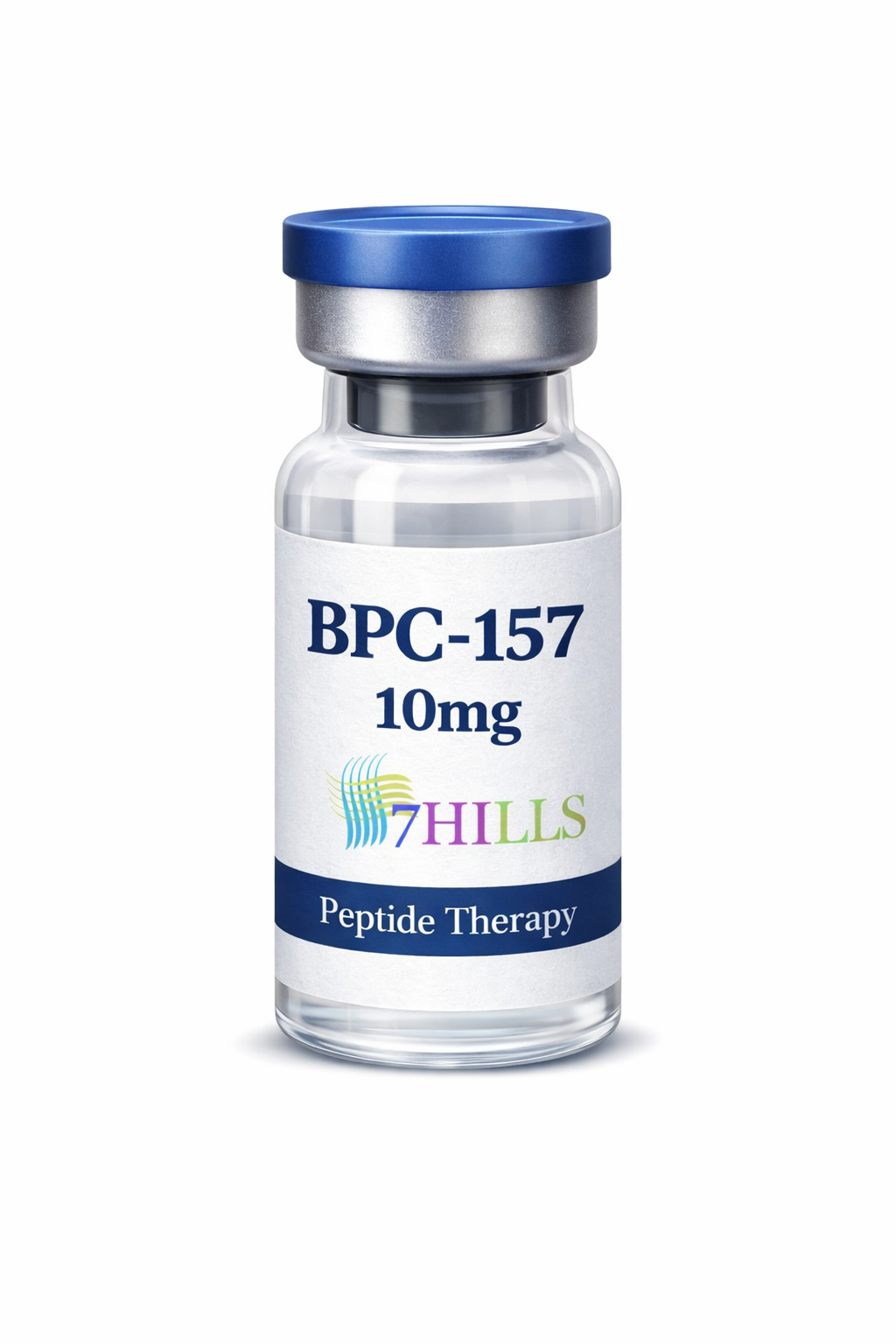
bpc 157 How Much Should I Take? (Dose Ranges People Report)
This is the question most people actually want answered. However, I need to be direct: there isn’t a universally accepted, regulator-approved dosing standard for BPC-157 use in humans the way you’d see with prescription medications. What’s available publicly is mostly community-reported protocols, lab/market variability, and informal regimen patterns.
When people ask bpc 157 how much should i take, they usually mean one of these:
- Microdosing style protocols (smaller daily amounts reported by some users)
- Split dosing (dividing the daily amount into multiple administrations)
- Cycle-based plans (a set duration, then stopping)
How I handle this in practice: instead of quoting a single “magic number,” I treat dose selection as a risk-managed decision based on (1) product concentration on the label/vial, (2) your total daily target, (3) how you’ll administer it, and (4) how you’ll monitor tolerance. If your product’s concentration is unclear or inconsistent, any dosing plan becomes guesswork.
What you must confirm before deciding a dose
- Exact concentration after reconstitution (mg/mL), not just the raw peptide amount.
- Reconstitution instructions from your supplier (and whether they match what you can execute safely).
- Delivery method (how you’re administering—people commonly discuss injection-based use, while other routes are discussed more variably online).
- Injection volume you can comfortably and safely handle per site.
If you can’t answer those four items precisely, you’re not ready to “dial in” dose—you’re ready to reduce uncertainty first.
bpc 157 How to Take It: Practical Administration Principles
Let’s get into the bpc 157 how to take it part people keep searching for: timing, splitting, and administration logic. I’m going to focus on process principles that affect outcomes—because in hands-on work, the biggest issues I’ve seen are dosage math errors and sterility/process mistakes.
1) Reconstitution math (where many people go wrong)
Before any administration, you need correct dilution math. The vial amount (often in milligrams) plus the volume you add (to create a specific mg/mL concentration) determines your syringe measurement later.
Typical workflow I recommend to reduce mistakes:
- Write down the labeled peptide amount and your target reconstituted concentration (or the concentration your supplier specifies).
- Calculate your final mg/mL and then verify your planned syringe volume corresponds to your intended micrograms/milligrams.
- Label the vial with date, concentration, and intended daily dosing plan.
- Keep a simple dosing log on paper or a notes app (date, time, volume administered, any symptoms).
If you’re off by even a small reconstitution step, the “dose” you think you’re taking can easily become 2x–5x the intended value.
2) Timing and split dosing logic
Many community protocols split the daily amount into two administrations rather than one. The practical reason is simple: it can make your routine easier to follow and may reduce peaks/variability in your body compared with a single larger dose.
In my hands-on experience with regimen adherence: split dosing usually improves follow-through. Most people won’t be perfectly consistent day after day with a “hard-to-hit” schedule, but two daily times are more stable.
3) Injection-site considerations
Injection technique and site selection matter for tolerance. The goals are to minimize irritation and maintain hygiene. If you’re injecting, consider:
- Clean technique and sterile supplies
- Rotating sites to reduce local inflammation
- Not injecting through visible irritation or infection
- Using a comfortable angle/depth consistent with your method (and training)
If anything about your supply handling or injection technique is unclear, that’s a stop sign—not a “proceed carefully” situation. Process errors are a common pathway to bruising, swelling, or worse.
4) Cycle duration (what people typically do)
People often discuss running a peptide protocol for a limited period and then stopping (“cycling”). I’ve seen more confidence around cycling than around accurate dosing math, but both matter.
For a trust-focused approach, treat any plan as provisional: set an observation window (for tolerance and any expected effects) and re-evaluate if you experience persistent symptoms or if the product’s documentation is incomplete.
Expected Benefits: What’s Reasonable to Aim For
When people discuss BPC-157 benefits, they usually tie it to tissue-support themes. The honest answer is that evidence in humans is not as robust or standardized as you might want for medical-grade claims. That doesn’t mean “nothing happens”—it means you should manage expectations and rely on measurable outcomes in your own situation.
In practice, I recommend focusing on:
- Trackable changes (pain scores, range of motion, function in training/work tasks)
- Injury-timeline reality (tissue recovery takes time even with support)
- Any side effects and how quickly they appear
If you don’t have baseline measurements, it becomes easy to misinterpret normal recovery as a product effect. In my experience, simple tracking (even a quick weekly note) makes decisions far clearer.
Side Effects and Safety Considerations
Any peptide regimen can carry risks, and online dosage talk rarely captures the full safety picture. Commonly discussed side effects (varying by person and administration method) can include:
- Injection-site irritation (redness, swelling, tenderness)
- Headache or fatigue (reported by some users)
- Digestive upset (reported inconsistently)
When to stop and seek medical guidance: persistent or worsening symptoms, signs of infection at injection sites, allergic-type reactions (e.g., widespread rash, swelling), or any concerning neurological/cardiac symptoms.
Also, product quality matters. Peptides sourced from non-regulated channels can vary in purity and concentration accuracy. If the label doesn’t match what you need to calculate safely, don’t “guess.”
FAQ
How do I take BPC-157 if I’m trying to follow a safe, consistent routine?
Start with accurate reconstitution math (mg/mL), confirm the concentration and syringe volume match your intended daily dose, consider split dosing for adherence, keep a dosing log, and prioritize sterile technique and site rotation. If any step is unclear, pause until you can execute it precisely.
What’s the best way to answer “bpc 157 how much should i take”?
The best answer is the one based on your specific product’s concentration and your planned daily target, not a copied number. If you can’t confirm concentration and your dosing calculations, you can’t responsibly determine “how much.”
What side effects should I watch for?
Injection-site irritation is the most common practical issue. Watch for persistent/worsening local symptoms, signs of infection, and any allergic-type reactions. If symptoms don’t resolve quickly or escalate, get medical guidance.
Conclusion
When you search bpc 157 how to take it and bpc 157 how much should i take, the real success factor isn’t finding a viral number—it’s controlling variables: correct concentration, precise dose calculations, consistent timing (often split dosing), sterile administration, and honest monitoring through measurable outcomes.
Next step: write down your vial’s labeled amount and planned reconstitution volume, calculate your final mg/mL, then calculate the exact syringe volume for your intended daily dose—before you ever administer.
Discussion