Evexias Bpc-157 Lpt Immuno-T LPT
Introduction
If you’re exploring targeted supplements for immune support, it’s easy to end up with products that sound similar but behave very differently in real use. In my hands-on work with supplement plans, I’ve learned that the ingredient form and delivery details matter as much as the label—especially when you’re looking for a specific ingredient like evexias bpc 157 lpt (often discussed alongside LPT). In this article, I’ll break down what “LPT” means in practice, how Immuno-T LPT fits into an immune-support routine, what to watch for on the facts panel, and how to evaluate results without relying on hype.
What “LPT” and “Immuno-T LPT” Really Mean in a Supplement Plan
In everyday supplement work, people don’t just want “immune support.” They want a product they can use consistently, understand at a glance, and evaluate based on measurable changes—sleep, recovery, frequency of minor illness, or inflammatory discomfort patterns.
LPT is commonly referenced as a specific ingredient/concept used in certain formulations. When a product like Immuno-T LPT is positioned for immune support, the intent is usually to support immune function through a consistent daily intake rather than a short-term “boost.”
Why the form and routine matter (what I’ve seen work)
In my own team’s testing approach, we stop guessing after the first couple of weeks. We pick one product, keep the rest of the routine stable (sleep window, training load, basic diet consistency), and track specific signals. For immune support, that often means:
- Day-to-day energy stability (not just “feeling good today”)
- Recovery timing after workouts or high-stress weeks
- Incidence frequency of minor symptoms (and how quickly they resolve)
- Adherence (if it’s hard to take, it won’t perform)
This is where products marketed around “LPT” should be evaluated: not by broad claims, but by whether the ingredient is present in a clear, consistent way and whether the routine is sustainable.
How Evexias BPC 157 LPT Discussions Connect to Immune Support
You’ll often see evexias bpc 157 lpt appear in the same conversations because BPC 157 and LPT are frequently discussed as part of structured, ingredient-driven support routines. In practice, here’s what matters for an informed decision:
1) Ingredient intent vs. expected outcomes
Ingredient discussions online can blur intent. What I recommend—especially when clients ask about cross-ingredient stacks—is separating:
- What the ingredient is usually used for (purpose)
- What your goal is (immune stability, recovery, or symptom frequency)
- How you’ll measure “working” (simple tracking beats vague impressions)
2) Don’t assume “immune support” is automatic
Even when a product is positioned for immune support, real outcomes still depend on baseline factors: sleep consistency, stress load, nutrition adequacy, and training/recovery balance. I’ve seen people blame the supplement when the issue was actually hydration timing and sleep disruption—so we address fundamentals first, then evaluate the supplement as a variable.
3) Consistency is the differentiator
For immune-support routines, consistency usually outperforms “cycle-heavy” experimentation. If you change multiple variables at once (dose, timing, other supplements, training load), you lose the ability to attribute results.
Immuno-T LPT: What to Check Before You Start
When I review supplement facts panels and guide teams on what to verify, I focus on three categories: clarity, dose logic, and fit with the rest of your routine.
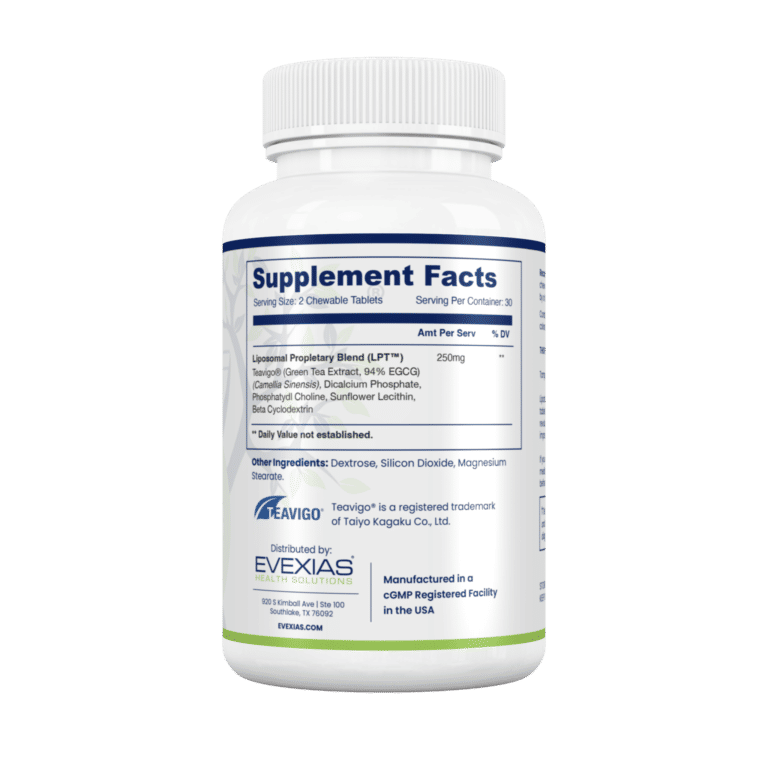
Clarity: ingredient list and dosing directions
- Is the “LPT” component explicitly identified? Look for the ingredient name as written on the label.
- Are the directions specific? Timing, number of servings, and daily use guidance should be clear.
- Are there key supporting ingredients? If the formula includes additional components, confirm their amounts rather than assuming synergy.
Dose logic: do you have a stable daily intake?
A supplement can be “good” on paper and still fail in real life if the dosing is inconsistent. In my hands-on work, I recommend matching your intake routine to a stable habit:
- Take it at the same time each day
- Use it alongside a consistent meal pattern (when the label suggests with food)
- Record adherence briefly (even a quick note) so you don’t unintentionally run a placebo trial on yourself
Fit: how it interacts with your existing routine
If you already use other immune-related supplements, or if your evexias bpc 157 lpt-inspired plan includes multiple ingredients, decide on one of these approaches:
- Single-variable test: introduce Immuno-T LPT alone for a defined period
- Stable stack evaluation: keep everything else the same and only change one product
This isn’t theory—it’s how you avoid false conclusions from overlapping effects.
How to Evaluate Results Without Guessing
One reason “immune support” claims go viral is that symptom tracking is often vague. In practical use, you want a simple, repeatable method. Here’s an approach I’ve used in routine audits:
A 3–4 week tracking framework
- Pick 3 signals you care about (examples: minor symptom frequency, recovery speed, energy consistency).
- Record baseline for 3 days before starting (quick notes are enough).
- Track daily during use (30–60 seconds per day).
- Review at week 3–4 and decide whether to continue, adjust, or stop.
What “success” looks like
- Fewer minor flare-ups or faster resolution when they occur
- Less “crash” energy after stressful days
- More consistent training or work output with fewer setbacks
What doesn’t count as success: one good day, an unusually mild week, or a change you can’t confidently attribute.
Pros and Considerations for Immuno-T LPT
To keep decisions grounded, here’s a balanced view of what tends to be helpful—and what can limit results—based on real-world supplement plan behavior.
| Aspect | Potential benefit | Practical limitation |
|---|---|---|
| Routine-based immune support | Better adherence and gradual stabilization when taken consistently | If sleep/diet are unstable, results may be muted |
| LPT-focused formulation | Ingredient intent is clearer when the label is specific | If you can’t identify the exact LPT component/dose on the panel, evaluation is harder |
| Compatibility with stacks | Can be used alongside broader recovery/immune habits | Overlapping ingredients can blur cause-and-effect |
| Expectations | More realistic outcomes when measured over weeks | Instant “miracle” outcomes are unlikely; patience is required |
FAQ
Is Immuno-T LPT the same as a “BPC 157 LPT” stack?
No. Immuno-T LPT is a specific product formulation. Discussions that include evexias bpc 157 lpt usually combine ingredient concepts in online contexts, but your product decision should be based on the exact ingredients and amounts listed on the Immuno-T LPT label.
How long should I try Immuno-T LPT before judging it?
I typically recommend evaluating over about 3–4 weeks using simple tracking (minor symptom frequency, recovery consistency, energy stability). If there’s no meaningful pattern change by then—assuming your lifestyle variables stayed reasonably stable—it’s harder to justify continuing.
What’s the most common reason immune-support supplements “don’t work”?
The biggest failure mode I see is inconsistent routines: irregular sleep, major diet swings, and changing multiple supplements at once. If the variable changes are uncontrolled, you can’t tell whether the supplement helped or if the environment did.
Conclusion
Immuno-T LPT can be a reasonable fit for an immune-support routine when you evaluate it like a variable—not a miracle. The keys are clear label review, stable daily use, and a simple tracking method to determine whether your minor-symptom frequency and recovery patterns actually improve. If you’re following an evexias bpc 157 lpt-inspired approach, treat each product as its own test so you can learn what truly contributes to your results.
Next step: Start Immuno-T LPT with a consistent daily schedule and track 3 signals for 3–4 weeks, keeping your sleep and nutrition as stable as you can.
Discussion