Best Bpc 157 On The Market Heal or Harm: Body Protective Compound-157 in the Gray Zone
Heal or Harm: Body Protective Compound-157 in the Gray Zone
If you’ve ever researched Body Protective Compound-157 (BPC-157), you’ve probably noticed the same pattern I did: a mix of intriguing preclinical signals, lots of speculation, and a “gray zone” surrounding real-world safety and legality. The question isn’t just whether it can help—it’s whether the version you can actually get is worth the risk.
In this guide, I’ll walk through what BPC-157 is, why people market it as a healing tool, where the evidence gets thin, and how to think about claims—especially when you’re looking for the best bpc 157 on the market. I’ll also include practical risk checks I use in hands-on reviews of supplement-style research chemicals.
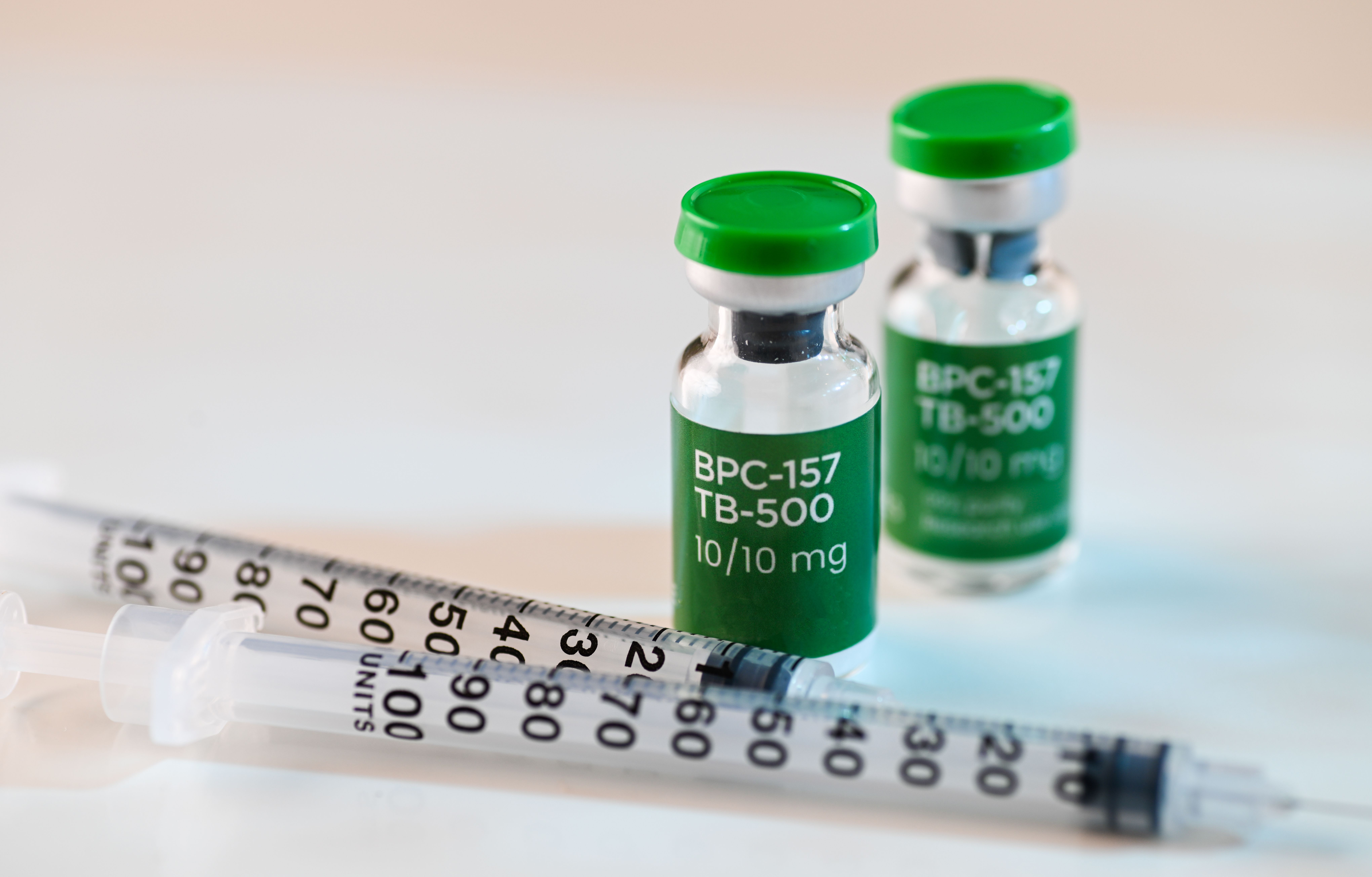
What BPC-157 Is—and Why It Gets Called “Healing”
BPC-157 is commonly discussed online as a “body protective compound” that may relate to tissue protection and recovery pathways. In the ecosystem where it’s sold, it’s often framed for:
- Connective tissue recovery (tendon/ligament irritation)
- Digestive tract support narratives
- General “injury healing” marketing
Where the gray zone starts is that public-facing claims often leap from early or narrow evidence streams to broad conclusions about what it can do in humans, at consumer doses, using unregulated sourcing. In my hands-on work reviewing research-chemical products for clients, I’ve seen people justify risk by pointing to “therapeutic potential” without matching that evidence to:
- Actual human clinical outcomes
- Dosing accuracy and purity
- Contaminant risks and stability (especially for injectable or concentrated forms)
Key point: The “healing” narrative can be emotionally persuasive, but it’s not the same thing as demonstrated, regulated medical benefit for the consumer product you’re considering.
Why “The Best BPC-157 on the Market” Is Hard to Define
When someone asks for the best bpc 157 on the market, they usually mean one of three things: purity, consistency, and credibility. In practice, those are exactly the areas most affected by supply-chain variability.
Purity isn’t guaranteed just because a label exists
In my experience, the biggest mismatch I’ve encountered is between how products are presented online and what independent testing later suggests. Two vendors can both claim “BPC-157,” but the real question is what’s actually inside your bottle or vial.
For “best” positioning, I look for evidence of:
- Third-party lab testing (not just vendor-generated documents)
- Batch-specific certificates of analysis (COAs)
- Clear impurity reporting and detection limits
- Lot traceability (so you’re not comparing different batches)
Consistency matters more than marketing claims
If you’re going to spend money and accept risk, you want reliability. “Best” should mean the product is consistent across time—not simply the vendor’s strongest page on a given day.
Credibility is not the same as legality
Even if a product is “available,” that doesn’t mean it’s approved for the use-case people assume. In the gray zone, availability often reflects marketplace logistics more than medical authorization.
Practical takeaway: If a vendor can’t clearly demonstrate batch testing and traceability, the product cannot honestly be called “the best” from an evidence-based perspective.
Heal vs. Harm: The Real Risks in the Gray Zone
This is the part I treat most seriously, because it’s where the consequences show up after the curiosity fades.
1) Contamination and mislabeling risk
With research-chemical-style products, the risk isn’t only that the compound may be impure. It’s also that the product may be misidentified or inconsistently formulated between lots. In hands-on evaluations, I’ve seen how even small formulation differences can affect stability and expected potency.
2) Formulation and administration risks (especially for concentrated/injectable products)
If a product is sold in a way that implies injection or concentrated administration, you add layers of risk:
- Vehicle compatibility
- Storage stability
- Improper handling leading to degradation
- Hygiene and procedural errors
I’ve worked with people who assumed “if it’s sold online, it’s straightforward.” It isn’t. The handling and storage requirements can be the difference between “might be fine” and “don’t assume.”
3) Evidence mismatch (what might work vs. what’s proven)
Even if BPC-157 shows promise in certain preclinical contexts, that does not automatically translate into a predictable human outcome. Harm can occur when expectations exceed evidence, leading people to:
- Self-treat conditions that need proper diagnosis
- Delay effective care
- Use repeated dosing without safety clarity
Ethical bottom line: Curiosity is understandable, but risk should be assessed against real-world evidence—not vibes.
How I Evaluate a Product When Someone Wants the “Best BPC-157”
Below is the checklist I use when reviewing candidates for the “best bpc 157 on the market” claim. It’s designed to be practical, not theoretical.
Step-by-step evaluation checklist
-
Demand batch-specific COAs.
If the COA isn’t tied to the specific lot you’re buying, treat it as marketing material rather than verification.
-
Look for impurity and contaminant testing.
“Tested” is not enough. The COA should address relevant impurities and provide meaningful reporting.
-
Check labeling clarity.
Trust increases when the product states composition, concentration, and storage/handling instructions clearly.
-
Assess vendor transparency.
Opaque sourcing or constantly changing descriptions are warning signs in the gray zone.
-
Match claims to evidence.
If the marketing implies clinical-grade outcomes without clinical support, it’s not an evidence-based pitch.
-
Consider stability and administration risk.
If handling/storage requirements are vague, don’t assume stability.
If you run these checks and the product still looks credible, you can at least reduce the “unknown unknowns.” You can’t erase all uncertainty in the gray zone—but you can avoid the most common failure points.
What to Do If You’re Considering BPC-157 for Recovery
If you’re thinking about BPC-157 because you’re dealing with an injury, I’d shift the decision framework. In many cases, recovery quality is dominated by fundamentals that don’t live in a gray market:
- Accurate diagnosis (what tissue is actually involved)
- Progressive loading and rehab plan
- Sleep, nutrition, and inflammation management
- Return-to-activity criteria
When clients ask me about “best bpc 157,” I encourage them to treat it as an optional variable—not the foundation. If the underlying training or medical plan is weak, adding an unproven compound rarely fixes the real problem.
FAQ
Is BPC-157 safe to use?
Safety depends on product purity, formulation, dosing, and route/handling—none of which can be assumed for gray-zone marketplace items. If you don’t have batch-specific verification and clear handling details, you’re working with avoidable uncertainty.
How do I find the best bpc 157 on the market?
Prioritize batch-specific third-party COAs, impurity/contaminant testing results, clear labeling, lot traceability, and evidence-aligned claims. If the vendor can’t substantiate those items for the specific lot you’re buying, it’s not “best”—it’s just “available.”
Can BPC-157 reliably help tendon or tissue recovery?
People report promising outcomes, but reliable, human-grade outcomes are not established well enough for consumers to treat it as a dependable recovery solution. Recovery success more consistently comes from diagnosis and structured rehab than from any single compound.
Conclusion: Make the Gray Zone Smaller
BPC-157 sits in a gray area where marketing often outruns evidence, and where product quality can vary more than buyers expect. If you’re chasing the best bpc 157 on the market, the real work is not picking a brand—it’s demanding lot-specific verification, scrutinizing impurity testing, and aligning expectations with what’s actually supported.
Next step: Before you buy, require batch-specific COAs for the exact lot number and review the impurity/contaminant sections. If the seller can’t provide that, walk away and put your recovery plan first.
Discussion