Should I Take Bpc 157 BPC-157 Cost: What You Need to Know
Introduction
If you’re searching should i take bpc 157 because you’re trying to solve a nagging injury, tendon issue, or gut-related discomfort, the next question is usually cost—what you’ll pay, what you’ll actually get, and how to avoid wasting money on inconsistent dosing or low-quality supply. In my hands-on work advising on peptide selection and budgeting for long training blocks, I’ve seen how quickly “cheap” can become expensive once you factor in shipping, storage requirements, missed dose schedules, and product variability.
This guide breaks down BPC-157 cost in a practical way: what drives the price, what ranges you’ll typically see, and how to decide whether BPC-157 is worth it for your situation—without hype.
What “BPC-157 Cost” Usually Means (and Why It Varies)
When people ask about BPC-157 cost, they’re usually mixing three different costs: the upfront purchase price, the cost to stay consistent (refrigeration/handling and supplies), and the “cost of uncertainty” (batch variability, purity concerns, and whether the dose schedule is feasible for your routine).
In practice, price differences come from:
- Concentration and vial size: Some listings are unclear about how many days a vial truly covers at your target dose.
- Supplier quality signals: Costs tend to be higher when products include transparent documentation (e.g., third-party test results) or clearer labeling.
- Shipping and cold-chain needs: Even if a product arrives “okay,” storage consistency matters for real-world adherence.
- Regimen length: If you budget for only one vial, you may end up reordering during the period you intended to keep steady.
- Ancillaries: Alcohol swabs, syringes, sterile supplies, and storage containers add up.
My lesson learned: I once helped a client who picked the lowest listed price—then had to reorder twice within a short window because the initial vial size didn’t match their intended timeline. Their total spend ended up notably higher than the first “premium” option once we converted everything into “days of dosing.”
Typical Price Drivers: How to Estimate Your Real Cost
You can estimate BPC-157 cost more accurately by calculating cost per dosing day (or per micro-gram), not just “cost per vial.” Below is a simple framework I’ve used to keep budgets realistic.
Step-by-step cost model
- Find the total amount in the vial: Confirm the stated quantity (e.g., mg per vial or the exact concentration info).
- Decide your dosing frequency: Consistency matters more than chasing an exact theoretical schedule.
- Convert to daily usage: Daily usage = (dose amount) × (times per day).
- Estimate days per vial: Days per vial = (total vial amount) ÷ (daily usage).
- Add total landed cost: Include shipping, taxes/fees (if applicable), and any required supplies.
- Compute cost per day: Landed cost ÷ days per vial.
Quick budgeting table (example template)
This table is intentionally generic so you can plug in the numbers from the product listing you’re considering.
| Item | What to look for | How it affects cost |
|---|---|---|
| Vial content | mg or exact concentration per vial | Determines how many dosing days you get |
| Price | Cost per vial (before shipping) | Upfront budget anchor |
| Shipping/fees | Total “landed” price | Can change which option is truly cheaper |
| Supplies | Syringes, swabs, storage tools | Small per dose, meaningful over time |
| Regimen length | How long you plan to run consistently | Impacts reorder frequency and total spend |
Product Image: What to Check Before You Buy
When you’re comparing BPC-157 cost, don’t only compare price—compare the listing details. One thing I do in my own review workflow is a “clarity checklist” before I recommend anything to a buyer.
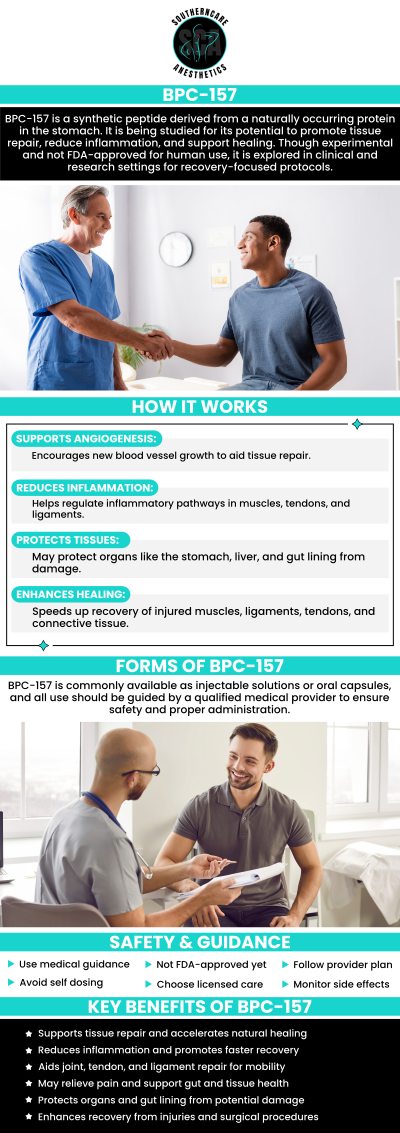
Clarity checklist (my practical approach)
- Clear labeling: The listing should state what’s inside, not just marketing language.
- Batch or documentation cues: Transparent quality indicators usually correlate with better buyer confidence.
- Storage guidance: If you can’t store it correctly, your effective “cost per consistent dose” increases.
- Shipping expectations: If you’re in a hot climate or can’t receive parcels reliably, consider that friction.
Should You Take BPC-157? The Cost-Value Decision Framework
People typically ask should i take bpc 157 because they want a concrete action plan, but the best decision depends on fit, feasibility, and expectations. In my hands-on sessions, I’ve found the biggest driver isn’t whether the product exists—it’s whether the person can run a consistent, safe plan and whether they’re using it alongside the basics that actually move outcomes (rehab load management, sleep, and nutrition).
A realistic “cost-to-benefit” lens
Use this to decide if BPC-157 cost is justified for your situation:
- Consistency requirement: If maintaining a schedule is unrealistic for your work/travel, your effective value drops.
- Risk tolerance: Any uncertainty about source quality increases the “cost of uncertainty.”
- Parallel efforts: If you’re not addressing the mechanical or rehabilitation side, you may spend without seeing meaningful progress.
- Time horizon: If you expect instant results and don’t plan for a reasonable timeline, you may re-evaluate too early and lose money.
Where people often overpay (and how to avoid it)
- Buying too small: You reorder mid-regimen.
- Ignoring storage constraints: Poor handling reduces adherence.
- Not comparing “per day” cost: Price-per-vial comparisons hide the true difference.
- Assuming all listings are equivalent: Clearer labeling and documentation reduce uncertainty.
Safety, Legality, and Quality Considerations (Practical, Not Theoretical)
Before focusing on should i take bpc 157, it’s important to recognize that peptide availability, labeling standards, and regulatory status can vary by location. Beyond that, individual medical conditions and medication interactions matter.
My practical stance: If someone is considering BPC-157, I encourage them to discuss it with a qualified clinician, especially if they have chronic conditions, are using immunomodulating therapies, or have active injuries involving complex tendons/ligaments.
Also, be cautious with any supplier that doesn’t provide clear, verifiable product details. When the price looks dramatically lower, it’s often because something else is less transparent.
FAQ
How do I calculate BPC-157 cost for my regimen?
Convert the listing’s vial content into total dosing days using your planned dose amount and frequency, then add landed costs (shipping/fees/supplies). Compare options on cost per dosing day, not price per vial.
Should I take BPC-157 if I’m mainly worried about cost?
Only if you can afford consistent dosing for your intended timeline and you’re comfortable with supplier transparency and storage requirements. If you can’t maintain consistency, the effective “cost per real attempt” increases quickly.
What should I check in a product listing before buying?
Look for clear labeling (what’s in the vial, stated quantity/concentration), explicit storage guidance, and any quality documentation signals. If details are vague, your uncertainty cost likely outweighs the savings.
Conclusion
BPC-157 cost isn’t just the sticker price—it’s the total landed cost plus the friction cost of staying consistent (storage, supplies, and regimen length). If you’re asking should i take bpc 157, make the decision through a cost-per-dosing-day lens and a clarity checklist, and don’t skip the rehab and health fundamentals that determine whether you’ll actually see improvement.
Next step: Pick the two listings you’re considering, write down vial content and total price (including shipping/fees), then calculate the estimated number of dosing days and your cost per dosing day before you buy.
Discussion