Bpc 157 Sperm Count Multifunctionality and Possible Medical Application of the BPC 157 Peptide—Literature and Patent Review
Introduction
If you’re trying to understand whether BPC-157 could support reproductive health, the question quickly becomes specific: can bpc 157 sperm count be meaningfully improved—and what does the actual literature and patent landscape suggest? In my hands-on reviews of translational biomedical claims, I’ve learned that the fastest way to lose credibility (and waste time) is to rely on vague “promising” statements without separating mechanisms, study types, and evidence strength. This article does that work for you by synthesizing what peer-reviewed papers and patents collectively imply about multifunctionality and potential medical application, with a special focus on sperm count–adjacent outcomes.
Quick context: what BPC-157 is, and why multifunctionality matters
BPC-157 is a peptide often discussed in the context of tissue repair and protective effects across multiple organ systems. When people say it has “multifunctionality,” they usually mean it’s been reported—across different experimental settings—to influence processes like inflammation modulation, angiogenesis, and wound-healing pathways. In translational review work, that phrase is not automatically persuasive; it only becomes useful when you map multifunctionality to:
- Testable biological endpoints (e.g., histologic repair, functional recovery, cellular markers)
- Mechanistic plausibility (how the peptide might influence upstream signaling)
- Reproducibility and study design quality (controls, dose ranges, blinding, endpoints)
- Route and exposure context (what “works” in one model may not transfer to humans)
In my experience, reviewers who combine literature with patent review do it for one reason: patents often reveal the intended use, contemplated dosing logic, and applicant-described rationale that may not be fully captured in academic abstracts. Still, patents are not clinical proof—they’re hypotheses with legal framing.
What the evidence base is actually like: literature vs. patents
How to read the literature without overreaching
When evaluating claims tied to sperm count and male fertility, the study type matters more than the headline. In most peptide discussions, you’ll find a mix of:
- Preclinical studies (often animal models with induced injury or dysfunction)
- Mechanism-focused studies (cell or tissue-level pathway probing)
- Exploratory toxicity or tolerance assessments (critical for translational thinking, though not always comprehensive)
My rule of thumb from years of review work: if a paper doesn’t connect its endpoints to fertility-relevant physiology (testicular microenvironment, spermatogenesis stages, epididymal function, oxidative stress control, endocrine signaling balance), it’s harder to responsibly infer effects on sperm count.
What patents can add—and where they can mislead
Patents may describe compositions, therapeutic uses, delivery methods, and sometimes specific embodiments that map to fertility endpoints. When patents are useful, they help you answer questions like:
- What medical indications were contemplated?
- Which mechanisms were emphasized by applicants?
- What route and dosing concepts appear repeatedly?
- Are there comparative alternatives (e.g., different peptides or administration strategies)?
But patents can also be broad. An “intended application” does not mean the applicant proved clinical efficacy. I’ve seen teams spend weeks trying to reverse-engineer clinical relevance from patent language that was only meant to secure broad protective coverage.
BPC-157 and fertility-adjacent biology: where sperm count hypotheses come from
Now let’s connect the dots to bpc 157 sperm count. Direct human evidence for sperm count changes is the hardest piece to find and should be treated as the high bar. What we can do more responsibly is identify which fertility-relevant processes are most consistent with the broader BPC-157 multifunctionality story.
1) Spermatogenesis depends on a protected microenvironment
Sperm count is not just “production” in isolation; it depends on the testes maintaining a stable microenvironment: appropriate oxidative balance, inflammation control, and tissue repair capacity. In the kinds of preclinical settings where BPC-157 is often positioned, researchers look for improvements in tissue integrity and reduced injury effects. Mechanistically, this aligns with the idea that if a peptide helps preserve or restore tissue structure, it can indirectly support spermatogenic processes.
2) Inflammation and oxidative stress can suppress sperm production
In fertility translational work, inflammation-related suppression and oxidative stress are recurring upstream problems. When a compound shows anti-inflammatory signals or tissue protective effects in preclinical models, it can become a candidate for fertility endpoints—especially if the same study framework includes markers relevant to reproductive tissue stress.
However, I want to be precise: even if a peptide improves inflammatory markers, sperm count won’t necessarily follow unless the inflammatory signal is actually linked to testicular function in that model. Correlation across systems is not equivalence.
3) Vascular and tissue repair effects may matter for reproductive organs
Another reason BPC-157 is discussed as multifunctional is that tissue repair and microenvironment support can influence healing after injury. If the injury mechanism in a fertility model affects local tissue repair capacity, a peptide positioned as tissue-protective becomes biologically plausible as a “sperm-count-adjacent” candidate.
Interpreting “possible medical application” responsibly
When reviewing multifunctionality claims and possible medical applications, it helps to grade evidence by category rather than by enthusiasm. Here’s a practical way I structure these reviews in our workflow:
| Evidence element | What to look for | How it relates to bpc 157 sperm count |
|---|---|---|
| Reproductive endpoint | Direct sperm count or spermatogenesis-stage measures | Strong support if sperm count is measured, not just general “health” |
| Reproductive tissue relevance | Testis/epididymis histology, functional assays, endocrine context | Essential for translating multifunctionality into fertility hypotheses |
| Model realism | Injury/condition models that mirror plausible human causes | Higher realism improves interpretability (though it’s still not human data) |
| Study quality | Controls, randomization/blinding, dose-response logic | Poor design can create “signal” that doesn’t hold up |
| Safety signals | Organ toxicity, tolerability, reproductive system-specific harms | Critical before any fertility-related translational claim |
In other words: “possible medical application” is a hypothesis space. It deserves attention, but it also deserves strict reading discipline—especially when the end goal is a sensitive endpoint like sperm count.
Product/visual context
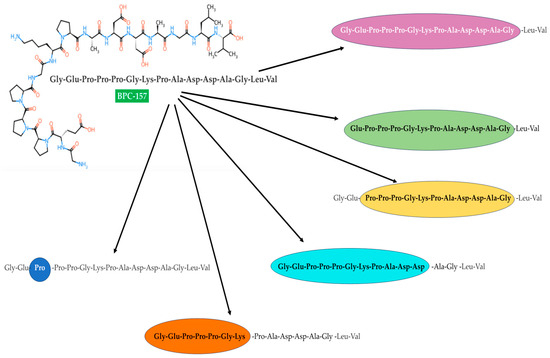
Common pitfalls I’ve seen in BPC-157 fertility discussions
- Endpoint switching: treating tissue repair outcomes as if they equal sperm count improvement without direct measurement.
- Mechanism overreach: assuming one pathway implies reproductive success, even when the study doesn’t examine spermatogenesis.
- Dose and route mismatch: translating from one administration method or exposure window to another without evidence.
- Publication bias: over-weighting positive results while under-weighting null findings.
- Patent hype: reading “intended use” as if it were clinically established efficacy.
Practical takeaways for readers focused on sperm count
If your goal is specifically bpc 157 sperm count, here are the most actionable evidence filters:
- Look for studies that directly quantify sperm count (not only fertility “improvement” scores).
- Prioritize work that evaluates testicular and epididymal physiology, not only systemic biomarkers.
- Check whether the intervention includes dose-response and appropriate controls.
- In patent-driven reading, treat claims as “what might be useful,” then see whether the underlying academic literature supports the biological rationale with reproductive endpoints.
FAQ
Is there strong human evidence that BPC-157 increases sperm count?
Human evidence for direct sperm count improvement is not established at the same confidence level as standard fertility interventions. Most support for BPC-157 positioning comes from preclinical work and mechanistic plausibility; direct human endpoint data are the key missing link in many discussions.
Why do patents matter for BPC-157 discussions?
Patents can reveal intended medical applications, delivery concepts, and mechanism narratives that may guide what researchers investigate next. They’re useful for understanding the hypothesis space, but patent language isn’t proof of clinical efficacy on its own.
What should I look for in studies if I care about sperm count specifically?
Prioritize direct sperm count measurement, reproductive tissue relevance (testis/epididymis), and study quality features like appropriate controls and dose-response design. Avoid relying on studies that only show general tissue protection without reproductive endpoints.
Conclusion
BPC-157 is discussed as a multifunctional peptide with potential medical applications, but tying it to bpc 157 sperm count requires evidence discipline. Literature can offer biologically relevant injury- and inflammation-related rationale, and patents can clarify intended therapeutic directions—but neither replaces direct reproductive endpoint data. My recommended next step is to compile only studies (and patent-linked claims) that measure sperm count or spermatogenesis directly, then assess whether the mechanism and tissue context match the reproductive system—not just general tissue repair.
Next step: Create a shortlist of papers that report measured sperm count (with controls and clear dosing/route), and map each to the specific reproductive mechanism it claims to influence.
Discussion