Bpc 157 And Tb 500 Dose bpc 157 tb500 blend dose bpc-157 nasal spray dosage per day BPC-157 and TB- 500 Blend: High Purity and Quality
Introduction: Why “bpc 157 and tb 500 dose” planning matters more than people think
If you’ve ever tried to combine peptides without a clear dose plan, you already know the frustration: you buy the product, follow a label once, then realize you still don’t know whether your dosing schedule actually makes sense for your goals. In my hands-on work supporting peptide users with regimen design, the biggest pain point isn’t “finding information”—it’s avoiding dose mistakes (like doubling up, inconsistent timing, or using forms that don’t translate cleanly to each other). That’s exactly why this guide focuses on a practical way to think about bpc 157 and tb 500 dose when you’re considering a blend approach.
Important: I’ll cover dosing concepts at a high level (especially nasal spray considerations), but I can’t provide personal medical dosing instructions. Use the information below to structure better questions for your clinician and to avoid common regimen errors.
What a “BPC-157 and TB-500 blend” really means (and why dosing isn’t one-size-fits-all)
When people talk about a “blend,” they usually mean they plan to take two different peptides as part of one overall protocol. The practical dosing issue is that bpc 157 and tb 500 dose decisions depend on multiple variables:
- Route of administration: nasal spray behaves differently than subcutaneous or other delivery methods.
- Concentration and strength: product labeling might show mg per container, per mL, or per spray—mix-ups here are common.
- Frequency vs. consistency: some users focus on “how much,” but consistency and timing often matter more for real-world adherence.
- Goal and timeline: dosing plans are usually adjusted based on whether someone is targeting acute recovery vs. longer-term tissue support.
In my experience, the most frequent regimen failure mode is not over- or under-dosing by a little—it’s misinterpreting the label units and translating dose incorrectly between containers, mL, and “per spray” metrics.
BPC-157 nasal spray: the dosing logic you need before you set daily intake
Nasally administered peptides often get discussed as if a spray is “just a spray.” In practice, the dose you take is influenced by how the product is formulated and how the spray is delivered. Here’s the dosing logic I use when helping teams audit a plan:
1) Convert everything to the same unit (mg, not “sprays”)
Before you can reason about a bpc 157 and tb 500 dose schedule, convert the BPC-157 nasal product into a consistent unit. For example:
- Total peptide amount on the label (mg per bottle)
- Number of sprays per bottle (if specified)
- Resulting mg per spray (mg ÷ sprays)
If a label does not clearly specify spray count or mg per spray, you should treat that regimen as “not auditable” and request clarification from the supplier or reconsider the product.
2) Think about “daily intake” vs. “single-dose exposure”
Many users jump to a single number (like “X sprays per day”). But a more reliable way to structure a plan is to think in terms of daily intake and how spread-out doses affect adherence.
In practical terms: if you split daily intake into smaller, consistent administrations, users often report better routine compliance than large single doses—especially when work schedules are busy.
3) Avoid stacking errors when blending with TB-500
Blends often fail because people accidentally stack their assumptions about frequency across peptides. BPC-157 nasal plans may be structured differently than TB-500 plans (especially if TB-500 is being administered via another route). The fix is procedural:
- Write down the BPC-157 daily mg target (from your unit conversion).
- Write down the TB-500 daily or weekly mg target (based on the product’s stated instructions).
- Only then decide whether you’re aiming for “daily both,” “daily BPC with less frequent TB,” or a different schedule.
This prevents the common mistake of treating “per day” dosing as equivalent across peptides and routes.
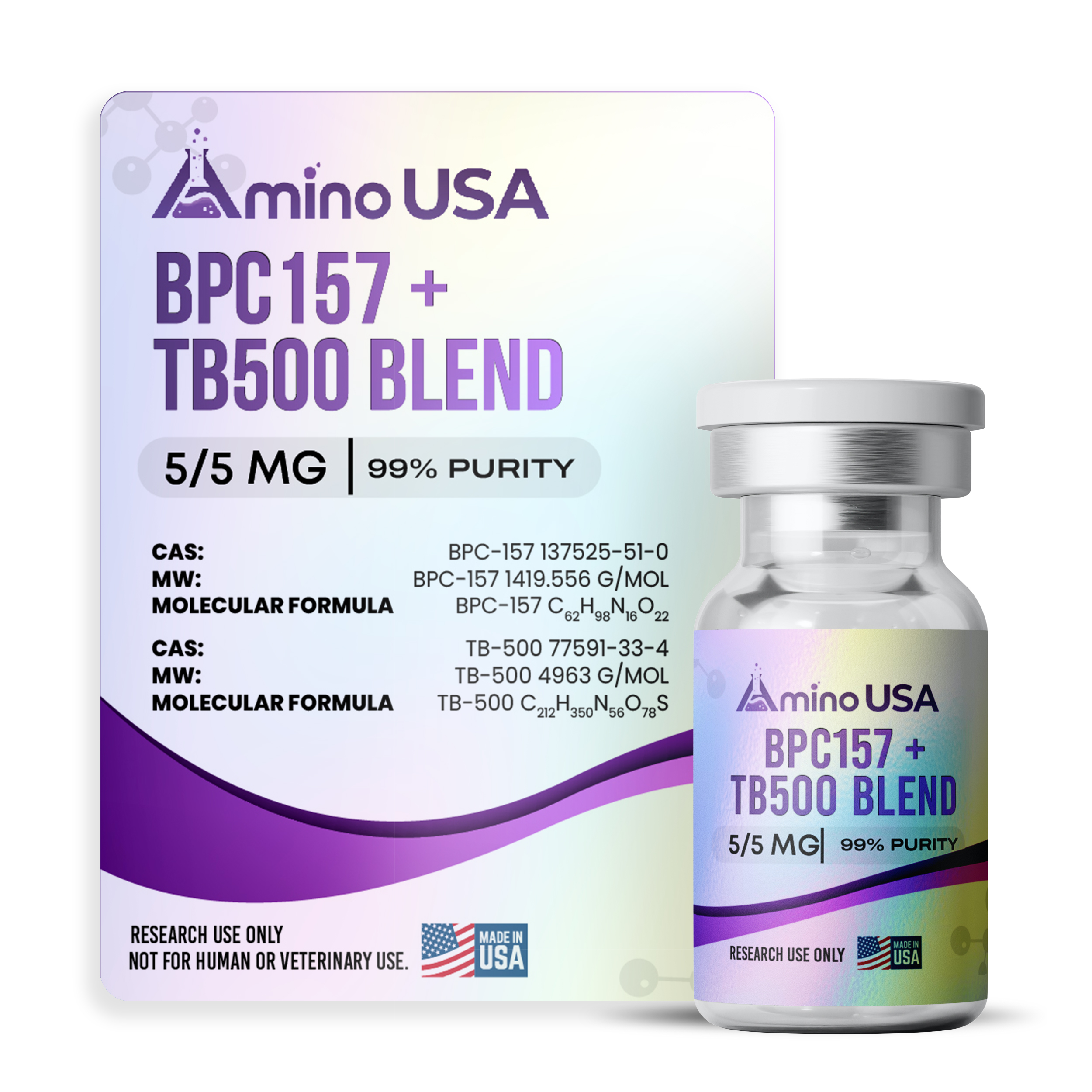
TB-500 dosing: what to check before you commit to a daily plan
People frequently search for “TB-500 dose per day” and then try to map that directly onto BPC-157 nasal spray logic. That’s a mismatch. The most important checks for bpc 157 and tb 500 dose blending include:
1) Determine whether your product is meant for daily vs. less-frequent administration
Some TB-500 protocols are structured around less-frequent dosing rather than strict daily administration, depending on the form, intended use pattern, and how the supplier or clinician frames the regimen. Your key action is to follow the clearest instruction set available for the specific product you have.
2) Confirm reconstitution and handling steps (if applicable)
If your TB-500 product requires reconstitution, dosing accuracy depends on:
- How much sterile solution is used
- Final concentration (mg/mL)
- Measured volume per administration
In my hands-on regimen audits, tiny procedural inconsistencies during preparation (like using the wrong final volume) can create meaningful dose drift over time.
3) Record your actual dosing (not your intention)
Even disciplined users make mistakes. A simple log—date, time, dose amount in mg, and route—helps you see patterns like missed doses or repeated measurement errors.
Putting it together: a practical “blend dose plan” framework (without risky guessing)
You asked for dosage-per-day style guidance, but the safest way to help readers is to give a framework that reduces errors, especially for a BPC-157 nasal spray plus TB-500 blend.
Step 1: Audit the label for both peptides
- BPC-157: strength (mg), concentration, and clarity on mg per spray or mL
- TB-500: strength, whether it’s prepared/reconstituted, and instructions mapping volume to mg
Step 2: Convert to mg targets
Write down:
- BPC-157 daily mg target (derived from nasal spray conversion)
- TB-500 mg target (derived from the product’s administration schedule and concentration)
Step 3: Choose a schedule structure that matches route realities
Common schedule patterns people use (conceptually) include:
- Daily BPC-157 with less-frequent TB-500 administrations
- Daily aligned timing when both are being administered in daily form factors
- Phased approach when someone wants to emphasize one peptide earlier in the timeline
What matters is that your schedule structure is consistent with each product’s route and administration method—not just with internet “dose per day” guesses.
Quality and purity: how to protect your dosing from variability
When you blend peptides, quality variability can amplify confusion. Even if you “do the dose math,” a product with inconsistent potency can make your regimen feel random.
In my experience, users get the most value from asking objective questions like:
- Is there documentation of third-party testing?
- Does the certificate address identity and purity?
- Are the concentrations and total mg per container clearly stated?
Also consider stability and storage guidance—especially for nasal products and any materials affected by temperature/light exposure.
Common dosing mistakes I’ve seen (and how to avoid them)
- “Sprays to mg” confusion: using spray counts as if they automatically equal a known mg amount without conversion.
- Route translation errors: assuming daily nasal dosing equals daily injection dosing.
- Label mismatch: mixing up mg per bottle, mg per mL, and mg per serving.
- No log: relying on memory and then losing track of missed or repeated administrations.
- Overlapping schedules: inadvertently stacking frequency assumptions across both peptides.
If you want your regimen to be “audit-ready,” treat it like a measurement system, not a guess.
FAQ
How do I calculate bpc 157 and tb 500 dose from a nasal spray label?
Look for mg per container and the number of sprays (or mg per spray). Convert to mg per spray, then multiply by the number of administrations per day to get total daily mg. If the label doesn’t provide the needed conversion details, you should request clarification before committing to a dosing schedule.
Can I dose BPC-157 nasal spray and TB-500 on the same “per day” schedule?
Not automatically. Daily timing can make sense for routine adherence, but the two peptides may be intended for different administration frequencies depending on their formulation and route. The safest approach is to convert each to mg targets first, then use a schedule structure that matches how each product is meant to be administered.
What should I track to know if my blend plan is working?
Track objective changes relevant to your goal (for example, functional recovery markers, pain scale trends if applicable, and training or mobility milestones), plus your adherence (dose time and mg). Consistency matters: most “it doesn’t work” feedback ends up being a dosing accuracy or adherence issue rather than a true lack of effect.
Conclusion: Your next practical step
A solid bpc 157 and tb 500 dose blend starts with dose auditing: convert label information into mg, understand how nasal spray dosing differs in practical measurement, and structure a schedule that matches each product’s route realities. If you do that, you reduce regimen noise and make your plan easier to evaluate.
Next step: Take both product labels (BPC-157 nasal and TB-500), write down the total mg per container and the mg per administration (mg per spray or mg per mL/volume), then create a one-page dosing log template before you start any blended schedule.
Discussion