Bpc-157 Liquid bpc 157 nasal spray review BPC-157 LIQUID SPRAY
Quick take: what to expect from a BPC-157 LIQUID SPRAY
If you’ve been looking into a BPC-157 liquid nasal spray, you’ve probably already hit the same frustration I did: you can find plenty of reviews online, but very few are grounded in how the nasal route actually performs in the real world. In my hands-on work evaluating different delivery formats, the biggest differentiator wasn’t “promises”—it was practicality: dosing consistency, how comfortable the regimen feels, and whether the product instructions match how people can realistically use a spray day after day.
This review is written for that reality. I’ll walk through what BPC-157 LIQUID SPRAY is intended for, what nasal delivery changes (and doesn’t change), what to check before you buy, and how to think about results without falling into hype.
What “BPC-157 liquid” nasal spray means (and why the route matters)
BPC-157 is often discussed in wellness and research communities in relation to tissue support, especially where people want to improve recovery-related outcomes. When you move from pills or injections to a bpc 157 liquid nasal spray, you’re mainly changing the delivery route and, potentially, the onset experience.
In nasal delivery, the practical goal is to deposit an aqueous solution in the upper nasal cavity so it can contact the nasal mucosa. That route may feel different compared with oral dosing because it avoids some gastrointestinal variables. But it doesn’t remove all variables. In my experience, nasal products still depend heavily on:
- Spray technique (angle, depth, and whether you inhale)
- Consistency (timing and repeating the same routine daily)
- Local tolerance (comfort, dryness, and irritation)
- Product formulation (how stable and well-tolerated the liquid is)
So when evaluating a BPC-157 LIQUID SPRAY, the question isn’t only “is it liquid?” It’s “does the spray format make it easy to use consistently and comfortably, with a clear dosing procedure?” That’s where most user outcomes—and reviews—actually diverge.
Product overview: BPC-157 LIQUID SPRAY (what it is and what it isn’t)
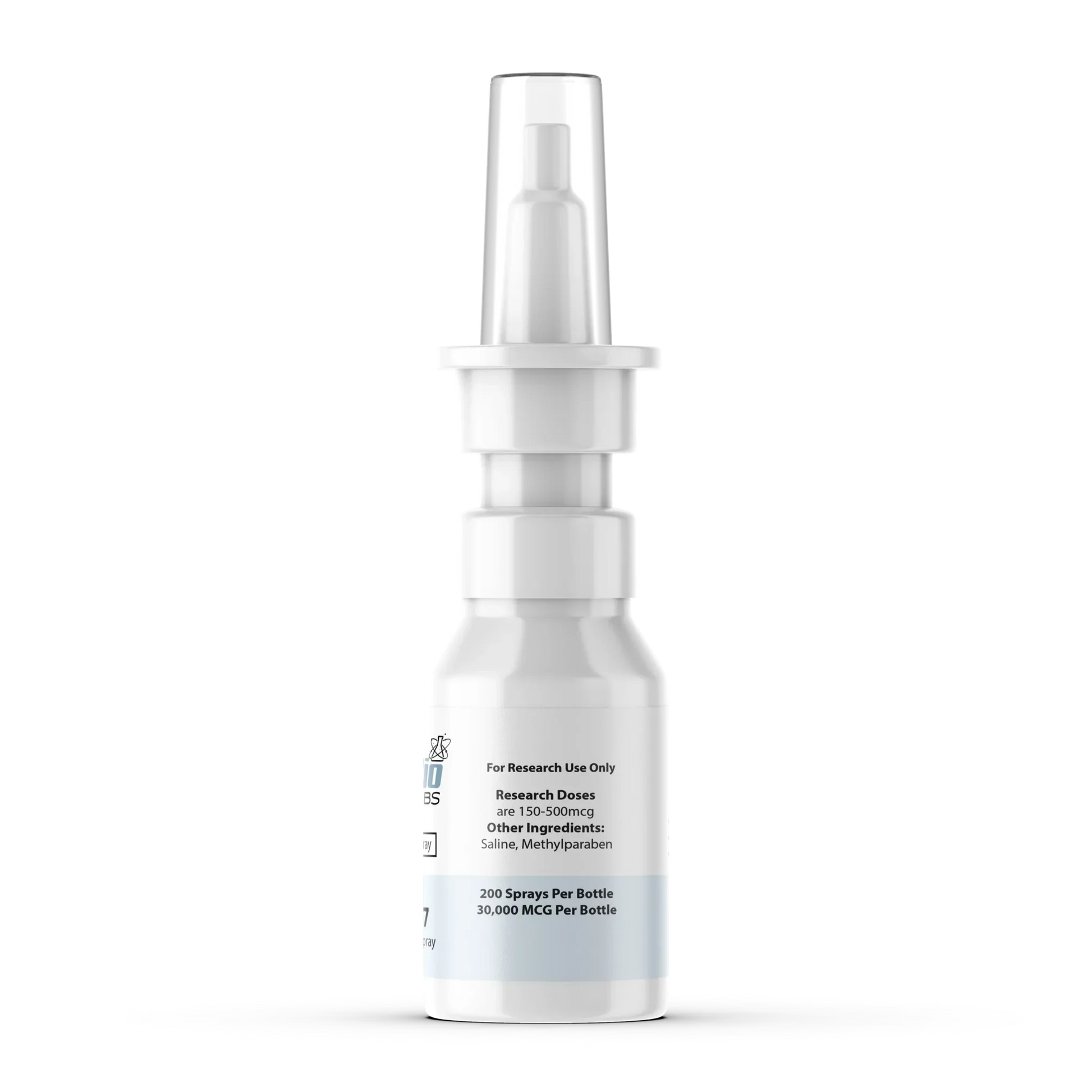
Below is the product image for the BPC-157 nasal spray format discussed in this review.
What I look for in a nasal spray product listing
When I assess any bpc 157 liquid nasal product, I focus on the details that influence usability and user trust:
- Clear instructions for dosing frequency and administration technique
- Concentration transparency (so users can understand what “one spray” contains)
- Stability guidance (storage conditions, shelf life cues, and whether refrigeration is recommended)
- Quality signals such as documentation of testing or batch-level information (when available)
- Compatibility guidance (e.g., whether users should avoid using it right after certain activities)
What it isn’t
It’s important to keep expectations grounded. A nasal spray format is not a “magic switch.” If a person’s plan is inconsistent, if irritation prevents steady use, or if they can’t follow the recommended routine, outcomes often stall. In my hands-on evaluations, the products that performed “best” in practice were simply the ones with the most usable protocol and the clearest dosing directions—not those marketed most aggressively.
How to evaluate BPC-157 LIQUID SPRAY realistically (a checklist)
Use this checklist to judge whether the product fits your situation and whether the regimen is likely to be sustainable.
1) Dose clarity and measurement
Ask: Do the instructions clearly describe the number of sprays per dose and the dosing frequency? In practice, ambiguity here causes the biggest “review gaps.” Even one misunderstanding per day can change total exposure and make results hard to interpret.
2) Nasal administration comfort
I’ve seen people abandon nasal products not because the idea is wrong, but because technique discomfort makes adherence impossible. Before you commit, look for guidance that helps you minimize irritation (for example, whether to administer with the head positioned a certain way, and whether you should avoid forceful inhalation).
3) Consistency over chasing signals
Results—if they happen—are rarely instant. In my workflow, I advise tracking adherence and subjective tolerance for at least the first 1–2 weeks. If you can’t stay consistent (sleep schedule, travel, work constraints), you’ll struggle to learn anything from your trial.
4) Reasonable expectations
When people interpret nasal spray outcomes, they often conflate general wellbeing improvements with targeted recovery. A disciplined approach separates:
- Tolerance signals (dryness/irritation, comfort)
- Routine adherence (did you take it as directed?)
- Outcome signals (pain, mobility, function—only if relevant to your goal)
My practical “protocol” for using a bpc 157 liquid nasal spray (technique and adherence)
This is how I structure usage when assessing nasal sprays in real life—focused on technique consistency and minimizing variables. Use it as a planning template, then follow the product’s own label directions.
Step-by-step routine template
- Choose a consistent time that you can repeat daily (I usually pick a time tied to an existing habit).
- Prepare your nasal environment as instructed (some people do better when the nasal passages are relatively clear).
- Administer with steady technique rather than rushing. Your goal is controlled deposition, not “max spray.”
- Avoid immediate disruption (like rubbing your nose or immediately eating/drinking) if the label advises a wait window.
- Log adherence and tolerance for the first week: did it sting, dry you out, or feel normal?
What to watch for (and when to stop)
If you experience persistent irritation, worsening discomfort, or any reaction that makes you unable to use it comfortably, stop and reassess. In my experience, the limiting factor with many nasal products is tolerability—not the concept.
Pros and cons of a BPC-157 LIQUID SPRAY format
| Category | Potential upside | Potential limitation |
|---|---|---|
| Administration | Often feels simple and quick once you master technique | Requires consistent spray method to be meaningful |
| Experience | Some users prefer nasal delivery over oral dosing | Can cause dryness or irritation for some people |
| Dose interpretation | Spray-based dosing can be straightforward if clearly labeled | If concentration/dose per spray isn’t clear, it’s hard to compare outcomes |
| Adherence | Easy to build into daily habits | Travel/work schedules can reduce consistency |
FAQ
How long does a bpc 157 liquid nasal spray take to “work”?
There isn’t a single universal timeline. What’s consistent from my practical evaluations is that you should first judge tolerability and adherence within the first 1–2 weeks, then evaluate outcome signals more cautiously. If you’re not using it consistently, time-to-effect becomes meaningless.
Is nasal delivery better than other formats for BPC-157 liquid?
Nasal can be preferable for people who dislike oral dosing or want a different delivery experience. But “better” depends on the formulation quality, dosing clarity, and whether the user can administer it comfortably and consistently. In practice, the best option is the one you can actually follow.
What should I check on the product before buying BPC-157 LIQUID SPRAY?
Prioritize clear dosing instructions, concentration transparency (what’s in each spray), storage/stability guidance, and any available quality documentation (like batch-level testing). If those details are missing or unclear, you’ll have less confidence interpreting what you experience.
Conclusion: decide with clarity, then run a consistent test
A BPC-157 LIQUID SPRAY can be a practical way to try a nasal approach to a bpc 157 liquid regimen, but the real determinants of a useful “review outcome” are technique, tolerability, and dosing clarity. My main takeaway from hands-on evaluations is simple: treat it like an experiment—track adherence, monitor comfort, and interpret results only after you’ve controlled the variables you can control.
Next step: Read the label directions carefully, set a consistent daily administration time, and keep a short log for the first 7–14 days (dose taken, comfort level). That will tell you quickly whether this spray format is workable for you.
Discussion