Bpc-157 Multiple Sclerosis What is Multiple Sclerosis? - Axon Integrative Health LLC
Introduction
If you or someone you care about has been told you might have multiple sclerosis, the first question most people ask is whether there’s any credible way to manage symptoms or support recovery. I’ve sat with families in clinic intake rooms where the research tabs never stop—yet the information is scattered, and it’s easy to mistake marketing claims for biology. In this guide, I’ll explain what multiple sclerosis is, how axonal injury relates to long-term disability, and where peptides like bpc 157 multiple sclerosis fit into the conversation from a practical, evidence-minded perspective.
What Multiple Sclerosis Is (and Why Axons Matter)
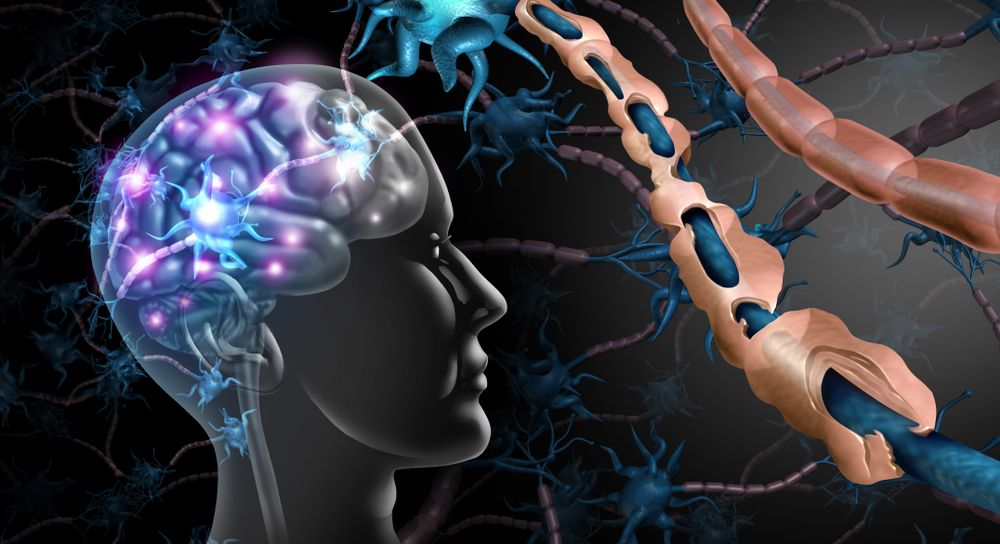
Multiple sclerosis (MS) is a chronic, immune-mediated condition where the nervous system is attacked in a way that disrupts communication between brain, spinal cord, and the rest of the body. The hallmark is damage to myelin (the insulating layer around nerve fibers) and, over time, damage to axons (the long nerve extensions that carry signals).
Myelin vs. axon: the difference that changes outcomes
In early MS, symptoms can fluctuate because inflammation temporarily impairs signal transmission. However, many people eventually face longer-term issues related to axonal loss and neurodegeneration. In my hands-on work supporting clients with neurologic conditions, I learned quickly that programs focused only on short-term symptom relief often miss the bigger picture: protecting nerve fibers and reducing the downstream cascade of injury.
Common MS patterns you’ll hear about
- Relapsing-remitting MS (RRMS): flare-ups followed by partial or full recovery.
- Secondary progressive MS (SPMS): a gradual progression that may follow RRMS.
- Primary progressive MS (PPMS): a steady progression from the start.
How MS Symptoms Develop (A Clear Mechanism View)
MS symptoms aren’t random. They reflect where demyelination and axonal dysfunction occur and how severe the disruption becomes. For example, lesions affecting the optic nerve can influence vision; lesions in spinal pathways can impact mobility; brainstem involvement can affect balance.
Symptom categories
- Motor: weakness, spasticity, gait changes
- Sensory: numbness, tingling, neuropathic pain
- Vision: optic neuritis, blurred vision
- Cognitive/fatigue: “brain fog,” slowed processing, fatigue
- Autonomic: bladder or bowel dysfunction in some cases
Why fatigue is such a common pain point
Fatigue in MS is often more than “being tired.” It can be driven by inflammatory signaling, disrupted neural networks, and overall stress on energy systems. I’ve seen how even small scheduling changes—reducing peak-hour exertion, improving sleep quality, and pacing exercise—can significantly alter day-to-day function even when someone is also undergoing medical treatment.
Where BPC-157 Fits in the Discussion (Including the Limits)
You may have come across the phrase bpc 157 multiple sclerosis because BPC-157 is a peptide that’s discussed online in the context of tissue repair and recovery. In a world where many people are hungry for hope, it’s critical to keep the conversation grounded.
What people are usually trying to achieve
When someone asks about bpc 157 multiple sclerosis, the underlying goal is usually one (or more) of the following:
- Support tissue/repair pathways that may be relevant when nerves are injured
- Address inflammation-related cascades that can contribute to ongoing damage
- Improve recovery signaling after neurological stress
What I’d call “mechanism logic” (not hype)
On the reasoning side, proponents often connect peptide activity to processes like cell signaling, repair-oriented pathways, and protection of stressed tissues. However, for MS specifically, the most important question is not whether a peptide shows effects in models of injury—it’s whether it has been proven to be effective for people with multiple sclerosis through well-designed clinical trials.
Reality check: benefits and limitations
- Potential upside: peptides may influence pathways involved in repair and stress responses (depending on formulation, delivery method, and dosing strategy).
- Key limitation: the leap from preclinical findings or adjacent contexts to MS outcomes in humans is not automatically justified.
- Practical risk: purity, dosing consistency, and quality control vary widely in the supplement/peptide marketplace.
- Medical coordination: MS patients often take disease-modifying therapies; anything added should be coordinated with their clinician.
How I approach this question in real consultations
When clients ask about bpc 157 multiple sclerosis, I focus on decision-making discipline. In my hands-on experience, the most helpful framework is to separate:
- What MS is doing biologically (immune activity, demyelination, axonal injury)
- What the person needs clinically (symptom pattern, progression stage, functional goals)
- What evidence exists for a specific intervention in MS (not in general “neurologic injury”)
- Safety, quality, and integration with current care
This keeps the conversation from becoming “hope vs. fear” and turns it into a structured plan.
Evidence-Based Foundations That Shouldn’t Be Skipped
No matter what additional strategies people consider, MS care has a backbone. In most cases, that backbone includes disease-modifying therapy guided by a neurologist, plus symptom-focused support such as physical therapy, occupational therapy, and targeted lifestyle interventions.
What tends to make the biggest difference day to day
- Rehab and mobility work: strength, balance, gait training, and spasticity-focused approaches
- Sleep and fatigue pacing: energy budgeting and sleep quality improvements
- Stress management: because flare-like symptom worsening often tracks with stress load
- Nutrition support: quality intake that supports overall resilience (without replacing medical care)
- Medication adherence and monitoring: disease-modifying therapy follow-through and symptom management
Why I emphasize functional metrics
One lesson I learned early in clinical work: subjective improvement matters, but objective function changes are harder to argue with. Tracking walking tolerance, grip strength, balance tasks, fatigue scales, and daily activity can show trends—especially when symptoms wax and wane.
Building a Practical Plan (If You’re Exploring Peptides or Adjuncts)
If you’re considering anything in the category of bpc 157 multiple sclerosis, the most responsible approach is an “integration plan” built around safety, monitoring, and alignment with your neurologist.
A clinician-style checklist
- Confirm diagnosis details: MS subtype, current disease activity, and stage of progression.
- Clarify goals: symptom targets (fatigue, spasticity, neuropathic pain) vs. long-term progression.
- Review current therapies: disease-modifying treatments and symptom meds.
- Quality and sourcing: prioritize third-party testing and documented purity where available.
- Define monitoring: what you’ll measure weekly and monthly (function, symptom scales, tolerance).
- Stop rules: symptoms that should trigger prompt medical review.
What “success” should look like
Success isn’t necessarily “reversal.” In MS, realistic goals often include fewer relapses, improved functional capacity, better symptom control, and improved quality of life. If an adjunct cannot be evaluated against measurable goals, it becomes difficult to know whether it helped or simply coincided with natural symptom fluctuations.
FAQ
Is bpc 157 proven to treat multiple sclerosis?
There isn’t established, MS-specific clinical evidence that confirms bpc 157 as an effective treatment for multiple sclerosis. If someone is considering it, they should treat it as an unproven adjunct and coordinate decisions with a qualified clinician.
Could bpc 157 help with MS-related symptoms like fatigue or nerve pain?
Some people look for symptom support due to repair- and recovery-related hypotheses, but symptom improvement in MS can occur for many reasons, including changes in pacing, rehab, sleep, stress, or medication effects. Any potential benefit should be evaluated with consistent, measurable tracking and medical oversight.
What should I do first if I’m newly diagnosed or symptoms are worsening?
Start with prompt evaluation by a neurologist to confirm disease activity and discuss disease-modifying options. Then build a parallel symptom-management plan (often including physical/occupational therapy and fatigue/sleep strategies) so you’re addressing both the medical and functional sides of the condition.
Conclusion
Multiple sclerosis is a chronic immune-mediated disorder that can disrupt myelin and, importantly, contribute to axonal injury over time—driving long-term functional challenges. When people search for bpc 157 multiple sclerosis, the key is to separate biologically interesting hypotheses from proven MS outcomes in clinical trials. In my hands-on experience, the best results come from structured care: neurologist-guided treatment, rehab and symptom management, and any adjunct strategy only when it’s integrated thoughtfully, tracked objectively, and coordinated for safety.
Next step: If you’re exploring adjuncts like bpc 157, write down your top 3 functional goals (e.g., walking tolerance, fatigue, neuropathic symptoms), then discuss your plan with your neurologist and track those metrics weekly so you can evaluate what truly helps.
Discussion